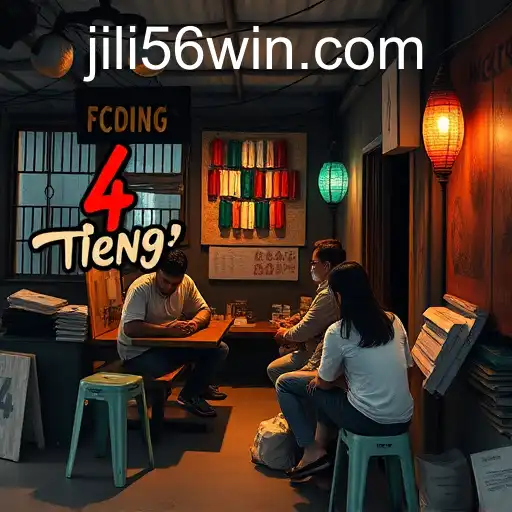
Understanding Jueteng: A Cultural and Economic Phenomenon
Jueteng is a deeply ingrained numbers game that has had a pervasive presence in the Philippines over the years. Despite its illegal status, it thrives due to a complex mixture of cultural, economic, and political factors. Born in the streets, jueteng is not just a simple game; it is a reflection of societal dynamics that stretches across multiple layers of Filipino life.
The Mechanics of Jueteng
The game operates on rudimentary principles. Two sets of numbers are drawn every day, with players placing bets on their chosen combinations. Much like a lottery, albeit illegal, the winning numbers promise significant payouts, making it a tempting gamble for many who see it as a potential respite from poverty.
One intriguing aspect of jueteng is its sheer simplicity and accessibility. Whether it’s in urban alleyways or rural villages, the game is accessible to anyone, contributing to its widespread allure. The cost of entry is low; thus, even those with minimal income can participate, giving it a broad base of players from various social classes.
The Economic Underpinnings
For many locals, jueteng is more than just a game; it is an economic ecosystem. The game generates significant income for numerous people involved in its operations—from the bet collectors, known as cobradors, to the financiers who bankroll the operation. In areas where employment opportunities are scarce, jueteng can be a source of livelihood, indirectly feeding into the local economy.
However, the larger economic impact often ties back to the question of legality. As a shadow economy, jueteng transactions are unregulated and untaxed, depriving the government of potential revenue while simultaneously fostering an environment where corruption can take root.
Political Entanglements and Jueteng
Another reason why jueteng has persisted is its deep entanglement with political figures. Over the decades, numerous allegations have surfaced accusing politicians of taking hush money from jueteng insiders in exchange for protection from legal scrutiny. This political shielding has allowed jueteng to flourish despite periodic crackdowns and reform promises.
The relationships built through jueteng often translate into political and electoral support. Thus, it is not uncommon for jueteng operators to maintain close ties with influential figures who, when elected, might influence law enforcement priorities or decisions.
The Digital Evolution: Enter Jili56
In recent years, the evolution of technology has added new layers to the dynamics of jueteng. Digital platforms like Jili56 offer a modern twist on the classic numbers game, providing an online environment where players can engage in similar gambling activities.
Websites such as Jili56 extend the reach of this illegal activity, making it possible for people everywhere, not just in remote Filipino towns, to partake. It also opens a new frontier for law enforcement, posing challenges in tracking and regulating these platforms that operate beyond traditional jurisdiction.
Challenges Faced by Law Enforcement
The digital adaptation of jueteng via platforms like Jili56 complicates efforts to curb the practice. The anonymity afforded by the internet protects many participants from repercussions, making policing efforts more difficult. Furthermore, the global nature of the internet means that takedown operations can be easily circumvented by server relocations or domain changes.
Law enforcement agencies face an uphill battle in balancing crackdowns with broader social initiatives to minimize jueteng reliance. Solutions often require cooperation on international, national, and local levels, where jurisdictional boundaries are aligned with the realities of digital gambling.
Social Implications and the Way Forward
The persistence of jueteng and its adaptations into the digital world underscore deep social issues. The game’s perceived value among Filipinos, juxtaposed with its negative legal status, highlights tensions between law, culture, and social welfare. For any meaningful change, approaches that go beyond punitive actions to address root causes—such as poverty and unemployment—are necessary.
Furthermore, educational campaigns that offer alternative pathways and highlight the risks associated with illegal gambling might help lessen dependency on such activities. Yet, for such initiatives to succeed, broad community support and investment are paramount.
As the ongoing struggle with jueteng and its modern iterations like Jili56 demonstrate, solutions are far from simple. They require a nuanced understanding of the societal web in which this game exists and flourishes. Moving forward, collaborative efforts across sectors may hold the key to unraveling this complex aspect of Filipino life.